


EMA Titanium Dioxide: Imagine sitting down to enjoy your favorite snack, only to find out that one of its key ingredients has been deemed unsafe for consumption. That’s the situation for many consumers and manufacturers regarding titanium dioxide, a common food additive. The European Agency (EMA) has decided to ban this substance, raising questions and concerns worldwide. In this article, we’ll delve into the reasons for the ban, its implications, and what this means for the future of food safety.
What is Titanium Dioxide?
Titanium dioxide (TiO2) is a naturally occurring oxide of titanium. It is widely used as a pigment to make products like paint, sunscreen, and food items appear whiter and brighter. When added to food, it is typically listed as E171 on ingredient labels. Though it has been popular for its aesthetic and functional benefits, recent research has cast doubt on its safety.
Uses and Benefits
- Whitening Agent: Titanium dioxide is most commonly used for its ability to brighten and enhance the appearance of foods.
- Thickening: It can also serve as a thickener in various products ranging from edible items to cosmetics.
- UV Protection: In sunscreens, it acts as a physical blocker of UV rays.
Safety Concerns
The major safety concerns revolve around the potential for titanium dioxide particles to cause cellular damage:
- Nanoparticles: The substance can contain nanoparticles that pass through the intestinal barrier.
- Potential Carcinogen: Some studies have suggested that prolonged exposure could increase the risk of cancer.
- Inflammation and Toxicity: There is evidence that it may cause inflammation and oxidative stress.
The EMA’s Decision: EMA Titanium Dioxide
In May 2021, the EMA announced its decision to ban titanium dioxide as a food additive, effective from 2022. The ruling emanated following the European Food Safety Authority’s (EFSA) publication of an updated safety assessment.
Key Findings by EFSA
- Genotoxicity: EFSA found that titanium dioxide particles have the potential to damage DNA and cause genetic mutations.
- Unreliable Data: The existing studies on its safety were found to be insufficient and inconclusive, leading to a precautionary approach.
- Consumer Safety: The agency prioritized consumer health, leading to the recommendation to ban the additive entirely.
Implications for Manufacturers
For food and beverage companies, this ruling means a significant overhaul of ingredient lists and manufacturing processes:
- Reformulation: Companies are now tasked with finding safe alternative ingredients that replicate the benefits of titanium dioxide.
- Supply Chain Disruptions: The short notice and stringent measures could cause disruptions in the supply chain.
- Increased Costs: Reformulating products can lead to increased costs, affecting everything from production to retail prices.
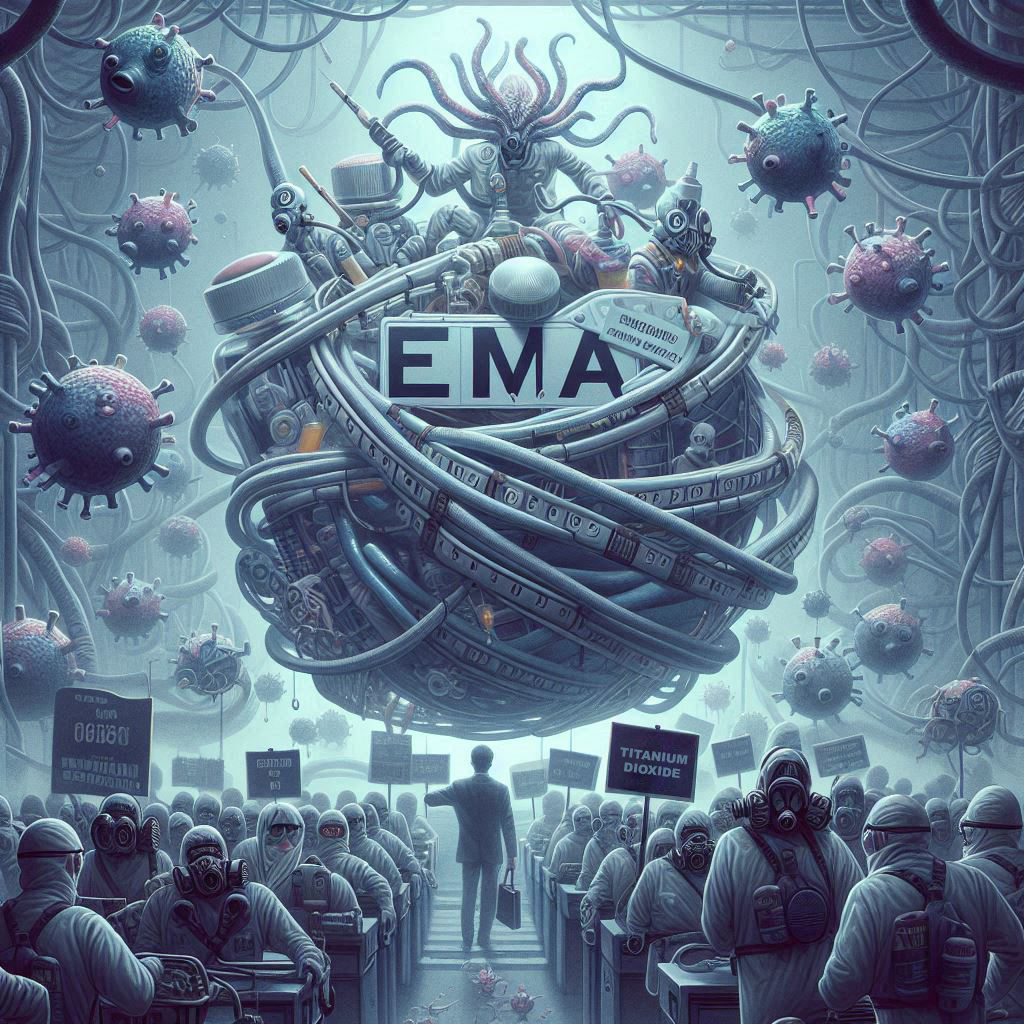

The Consumer Perspective: EMA Titanium Dioxide
The ban has sparked mixed reactions among consumers, with some praising the proactive measures, while others worry about the implications.
Health-Conscious Shoppers
Many health-conscious shoppers welcome the ban, viewing it as a step toward cleaner labeling and safer products.
“For years, I’ve been concerned about the potential health risks of artificial additives. This ban gives me peace of mind,” says Elena, a nutrition enthusiast and mother of two.
Skeptics
On the flip side, some consumers are skeptical, believing the ban to be an overreaction to inconclusive evidence.
“I feel this is a bit of a knee-jerk reaction. More definitive studies are needed before pulling it off the shelves completely,” argues John, a food industry consultant.
Alternatives to Titanium Dioxide
So, if titanium dioxide is out, what comes in?
Natural Alternatives
- Rice Starch: Often used for whitening and thickening, rice starch can be a viable alternative.
- Calcium Carbonate: This naturally occurring substance is already used in some food products.
- Zinc Oxide: Although more commonly found in sunscreens, it is another potential candidate for replacing titanium dioxide in non-food items.
Industry Innovation
The ban could also spur innovation within the industry to develop safer, more effective alternatives that consumers and regulators can both trust.
Conclusion
The ban on titanium dioxide by the EMA has stirred up a sea of changes, discussions, and, inevitably, innovations. While the decision aims to protect consumer health, it also challenges manufacturers to adapt swiftly and responsibly. As consumers, it is crucial to stay informed and understand both the reasons behind such regulations and the alternatives that could make their way into our favorite products.
In the words of one concerned parent, “Ultimately, this decision reflects our growing understanding of the impact of what we consume on our long-term health. It’s a wake-up call for both the food industry and consumers alike.”
So, next time you pick up a food item, check the label and ponder: What’s in it for you?
For further details on the ban and its implications, you can refer to European Food Safety Authority’s 2021 Assessment.
Stay informed, stay safe, and happy eating!
TiO2 H2O for Hydrogen Production: A Clean Energy Hope